
What if the biggest untapped resource in the social economy is not funding, but data?
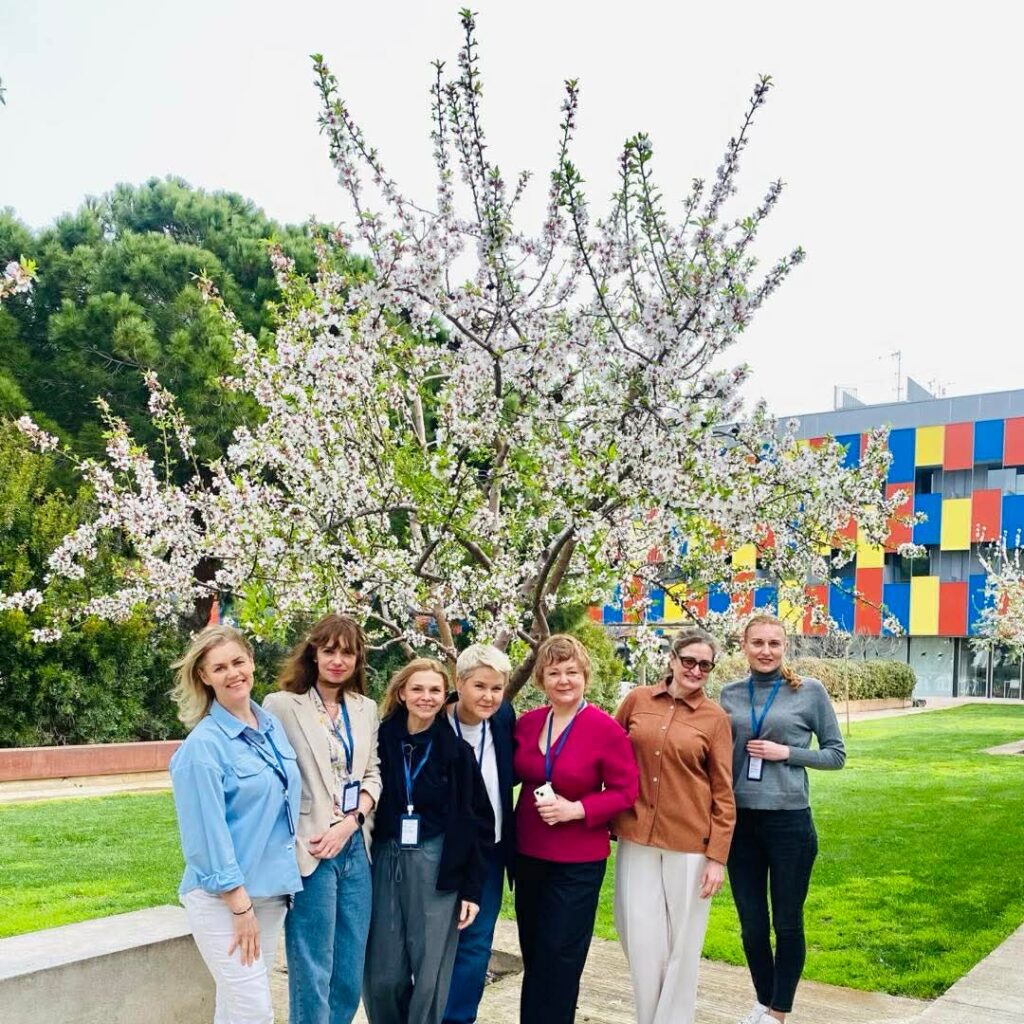
This question sat at the core of the DO Impact Workshop in Barcelona, where practitioners, innovators, and support organisations came together to explore how data and artificial intelligence can strengthen the impact of the third sector. The discussions made one thing clear: while social organisations generate vast amounts of information through their daily work, much of its potential remains unused.
A recurring challenge across the sector is that data exists, but it is rarely structured in a way that allows it to be analysed and applied effectively. Organisations collect case reports, field notes, and operational data, yet limited time, resources, and technical capacity often prevent this information from being transformed into actionable insights. As a result, decision-making is frequently based on partial knowledge, even when valuable data is already available.
The workshop highlighted how this gap can be addressed through a combination of better data practices and the strategic use of artificial intelligence. Advances in AI now make it possible to process unstructured information, identify patterns, and generate insights that were previously difficult to obtain. However, the emphasis was not on technology alone. Participants stressed that the real shift lies in changing how organisations perceive data—from an administrative burden to a strategic asset.
An important concept explored during the workshop was the idea of data spaces. These are secure, decentralised environments that allow organisations to share data while maintaining control over how it is used. Unlike open data initiatives, which prioritise unrestricted access, data spaces are built on trust, governance, and interoperability. They enable organisations to collaborate without compromising privacy or ownership, creating the conditions for what was described as shared intelligence—where data benefits not only individual organisations but entire ecosystems.
Artificial intelligence plays a key role in enabling this transformation, but its adoption requires careful consideration. Discussions at the workshop emphasised that AI systems are only as reliable as the data they are built on. Issues such as bias, outdated information, and so-called “hallucinations” underline the importance of human oversight. Rather than replacing professionals, AI is best understood as a tool that augments their work, increasing efficiency while leaving responsibility firmly in human hands.
Several practical initiatives presented during the workshop illustrated how these ideas are already being implemented. These included data observatories that help identify digital inclusion gaps and inform public policy, platforms that connect social organisations with investors while ensuring transparency, and capacity-building programmes designed to help organisations scale their impact. Across these examples, a common pattern emerged: successful digital transformation depends not only on tools, but on collaboration, shared standards, and continuous learning.
Another important takeaway was the need to adapt AI adoption to organisational realities. For many smaller organisations, the most effective starting point is not building complex systems, but clearly defining goals and making better use of existing data. Even simple improvements in how data is structured and used can unlock significant value. At the same time, participants highlighted the importance of choosing tools that align with European data protection standards and organisational values, particularly when working with sensitive information.
The DO Impact Workshop ultimately pointed to a broader shift taking place in the social economy. Data is becoming central to how organisations understand their work, demonstrate impact, and collaborate with others. Artificial intelligence, when used responsibly, offers a way to unlock this potential, but it also requires new skills, new mindsets, and new forms of governance.